
The Three Musketeers Book Review: Why The Movies Get It Wrong (2026)
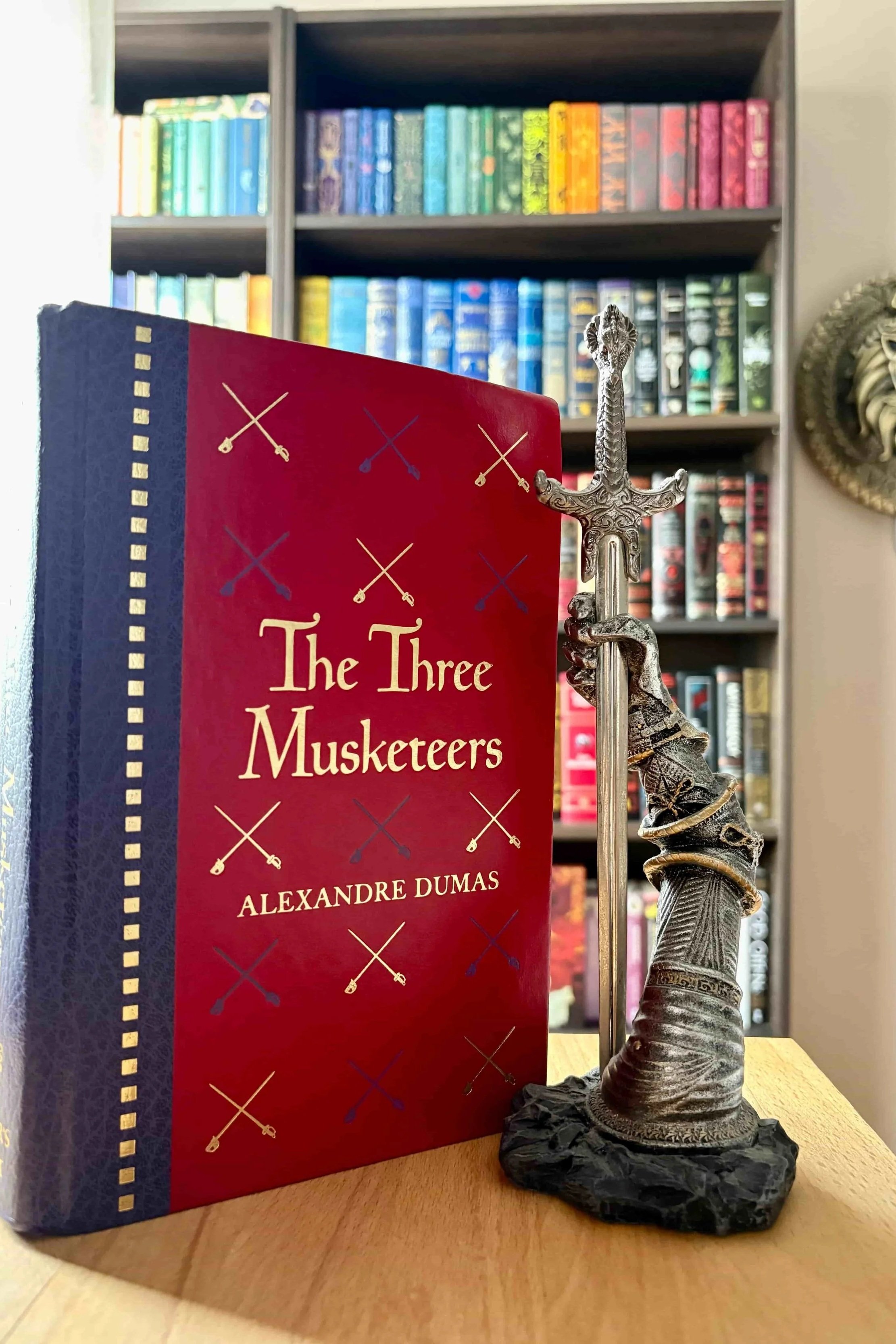
My, slightly damaged, but gorgeous copy of The Three Musketeers. Wasn’t the easiest edition to read, but so worth it!
(Affiliate Disclaimer)This post contains affiliate links. If you use these links to buy something we may earn a commission. For more information, please see our Disclaimer.
After finishing the YA puzzles of The Inheritance Games, I needed a palate cleanser. I wanted to transport myself to a time of gallantry, camaraderie, and boldness. Naturally, I picked up The Three Musketeers.
Alexandre Dumas has long been one of my top authors (The Count of Monte Cristo is easily in my top 5 of all time). I thought I knew what to expect: brave heroes, a wicked Cardinal, and the famous motto: "All for one, and one for all."
Boy, was I wrong.
The book is nothing like the movies. The heroes are chaotic, the villain isn't who you think it is, and the romance is... complicated. Here is my review of why this classic is one of the best things I've read in 2026, and why you need to read it to understand who these characters really are.
The Three Musketeers Names & Real Personalities
In the movies, the Musketeers are noble defenders of the realm. in the book? They are absolute disasters.
While they are undeniably brave, Alexandre Dumas wrote them as deeply flawed humans, which ironically makes them feel more real than any screen adaptation.
Athos: He isn't just the "stoic leader"; he is a high-functioning alcoholic battling severe depression and a dark past involving a failed marriage.
Porthos: He isn't just "the strong one"; he is vain, loud, and has zero qualms about cheating or taking advantage of others to fund his lifestyle.
Aramis: My personal favorite hypocrite. He shields his many scandals and affairs behind a thin veil of piety, constantly threatening to become a priest whenever things don't go his way.
They lie, gamble, drink, and put their servants in mortal danger without a second thought. Yet, they do it with such gentlemanly flair that you can't help but root for them.
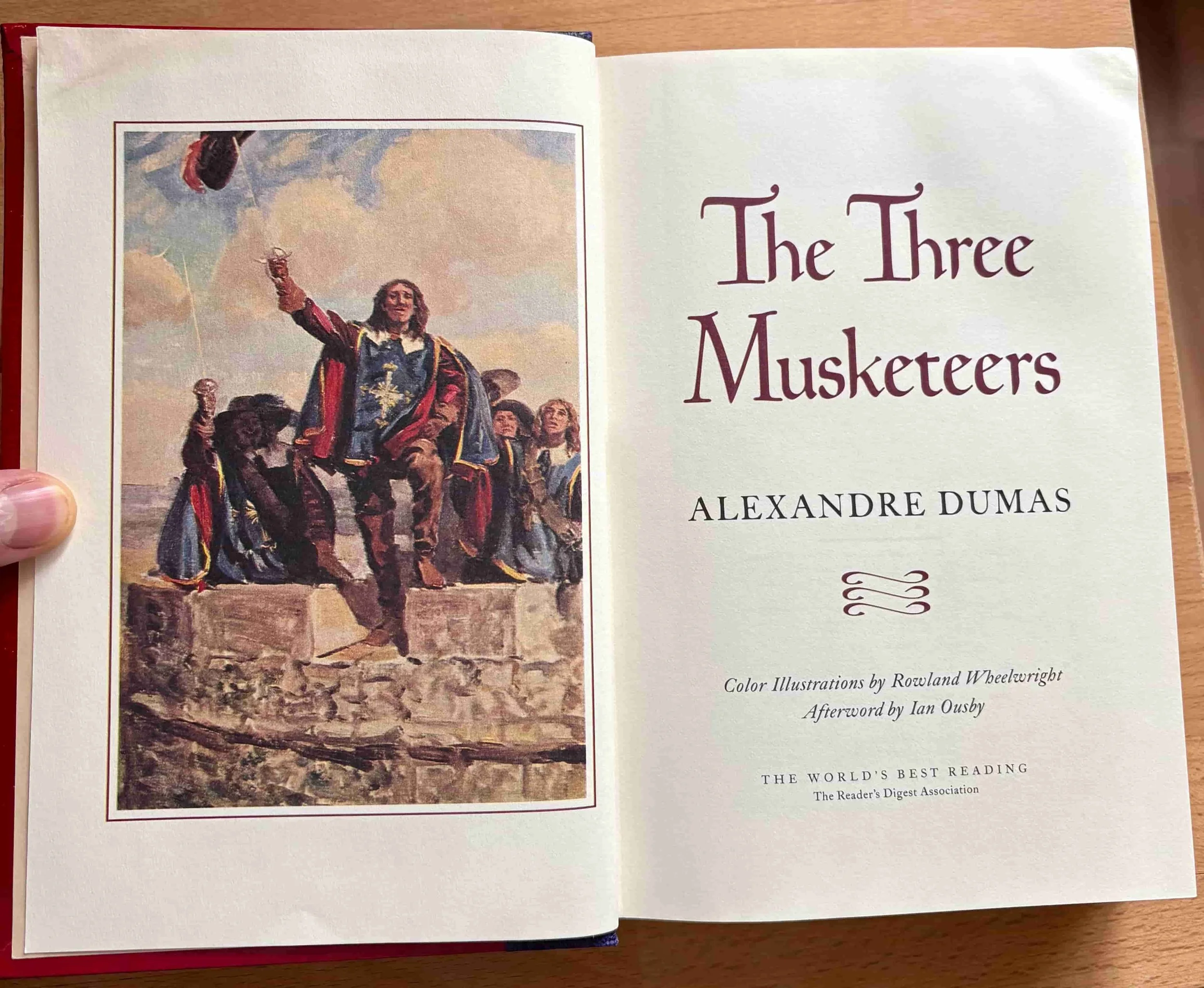
Vintage illustration of the characters of The Three Musketeers: Athos, Porthos, Aramis, and D'Artagnan
(Insert Photo 2 Here: Illustration of the 4 Musketeers. Alt Text: Vintage illustration of the characters of The Three Musketeers: Athos, Porthos, Aramis, and D'Artagnan.)
D'Artagnan: Hero or Fickle Player?
And then there is our main protagonist. If you think D'Artagnan is the pinnacle of chivalry, think again. The man is a player.
He immediately falls for Madame Bonacieux (his landlord's wife!) and happily sends her husband to prison if it helps his seduction chances. But the moment she is kidnapped, does he pine for her? No. He becomes utterly enamored with Milady de Winter.
It takes a series of unprecedented disasters to remind him that, "Oh right, I’m supposed to be in love with someone else." He is brave, yes, but he is also young, dumb, and incredibly fickle.
The Religious Context: Catholics vs. Huguenots
To truly understand the conflict in The Three Musketeers, you have to understand the religious war tearing France apart in the 1620s. This isn't just about sword fights; it's about a divided nation.
The book is set during the Siege of La Rochelle, a real historical event where the French Crown tried to crush a rebellion.
The Catholics (The Crown): Led by King Louis XIII and Cardinal Richelieu. They represent the established power of France.
The Huguenots (Protestants): French Protestants who were rebelling against the Catholic King. They held the city of La Rochelle and were supported by the English (and the Duke of Buckingham).
Why this matters: This is why the Cardinal is so obsessed with the Duke of Buckingham. It’s not just a petty rivalry; Buckingham is funding a civil war on French soil. When the Musketeers go to London to save the Queen's honor, they are technically committing treason by helping the enemy of the state.
Understanding this grey area makes the plot infinitely more interesting. The "bad guy" (Richelieu) is actually trying to save his country from foreign invasion, while our "heroes" are undermining the war effort for love.
The Cardinal vs. Milady: Who is the True Villain?
Maybe it was Tim Curry's legendary performance in the 1993 movie, but I always assumed Cardinal Richelieu was the Big Bad.
The Truth: Richelieu is actually... kind of great? He is duplicitous and cunning, sure, but he cares about France. He respects his enemies (even promoting D'Artagnan twice) and leads armies from the front lines. He isn't a craven schemer; he is a statesman doing his job.
(Insert Photo 3 Here: Illustration of Milady de Winter. Alt Text: Illustration of Milady de Winter, the true villain of Alexandre Dumas' books.)
The Real Villain: The true monster of this story is Milady de Winter. Not since Joffrey in Game of Thrones have I hated a character with such passion. She is the embodiment of selfishness and evil. The second half of the book essentially becomes a horror story from her perspective.
Spoiler Warning: Her seduction of John Felton was the only part of the book that truly frustrated me. Felton was established as an unshakeable rock of a man, devoted to his lord for 10 years. Yet, Milady managed to break him and turn him into an assassin in just 4 days using nothing but religious manipulation. It felt like a stretch, but it certainly showcased her terrifying power.
Historical Accuracy & Fun Facts
Alexandre Dumas famously played fast and loose with history to tell a better story. Here are two glaring anachronisms I caught:
The Botany Bay Threat: In the original French text, Lord de Winter threatens to send Milady to Botany Bay (Australia). The only problem? Captain Cook wouldn't "discover" it for another 150 years.
The Seaside Holiday: Athos suggests they go on a "seaside holiday" to cover their tracks. In the 1620s, swimming in the sea was considered dangerous for your health. That custom wouldn't exist for another century!
The "Cellar Siege" Diet At one point in the book, Athos and his servant Grimaud barricade themselves in an inn's cellar for two weeks. When D'Artagnan finally rescues them, they have consumed 150 bottles of wine and the inn's entire supply of ham and sausages.
The Math: That is roughly 10.7 bottles of wine per day between two people.
The Verdict: That means Athos was drinking about 5-8 bottles of wine a day while fighting off the inn’s owners. The fact that he could stand up, let alone sword fight, is the greatest fiction in the entire novel.
My Verdict
Despite the plot holes (like Athos inexplicably ordering around high-ranking Counts) and the questionable morals, this book is a masterpiece. It pulls you in and refuses to let go.
Rating: 4.9/5
Next Up: I am definitely reading the sequel, Twenty Years After, but I might need a few lighter reads first to recover from that emotional ending.
If you enjoyed this deep dive, check out our review of another classic with questionable heroes: The Picture of Dorian Grayor explore the 10 Quirky Habits of Famous Writers, including Dumas' contemporaries!
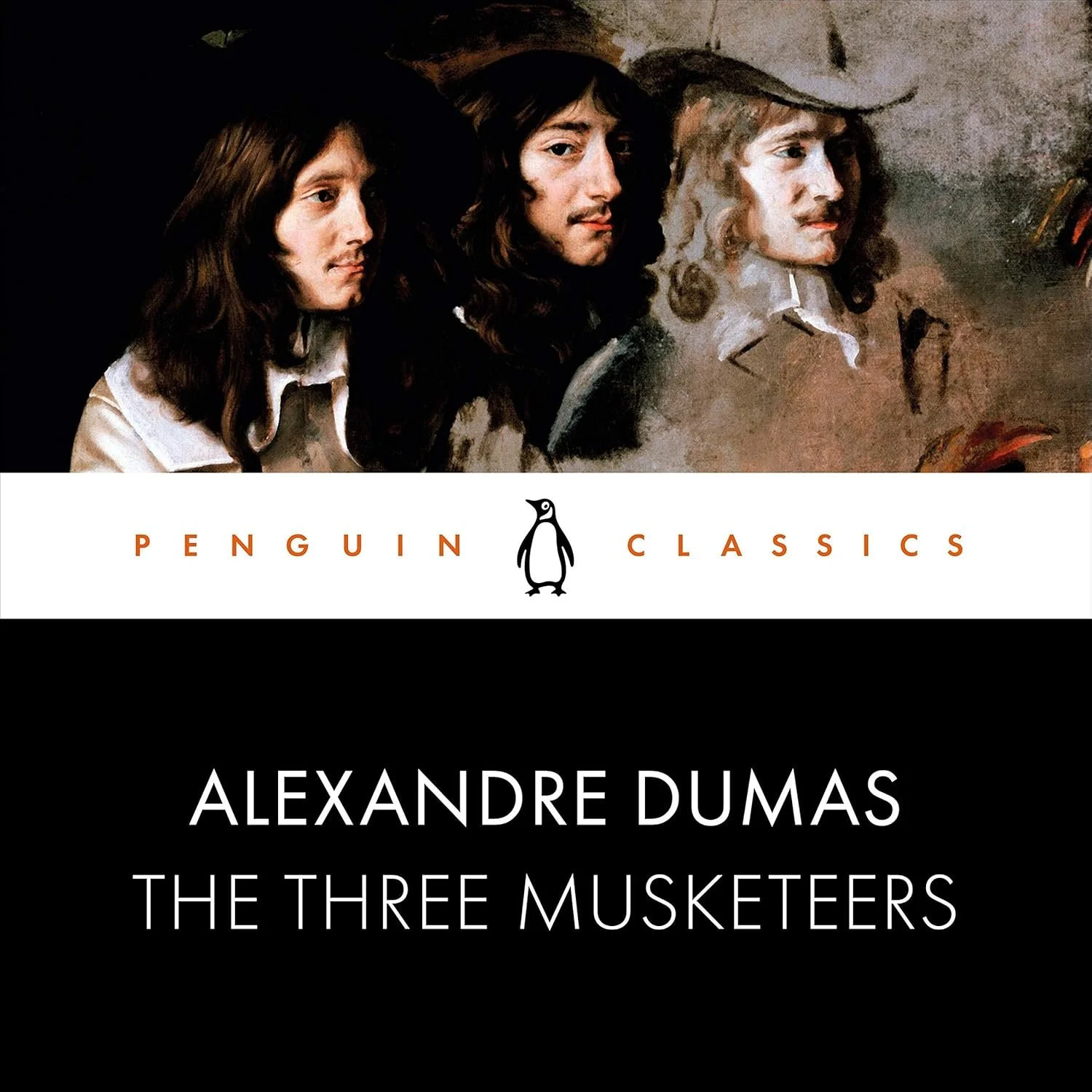
Frequently Asked Questions about The Three Musketeers
What are the 4 Three Musketeers names? The three original musketeers are Athos (the leader), Porthos (the strongman), and Aramis (the priest/soldier). The fourth member, who joins them later, is the young Gascon D'Artagnan.
Is The Three Musketeers a hard book to read? It can be dense due to the 19th-century writing style, but the plot is fast-paced and action-packed. I recommend the Richard Pevear or Ian Ousby translations for the best modern experience.
Who is the villain in The Three Musketeers book? While Cardinal Richelieu is the political antagonist, the true villain is Milady de Winter, a spy with a dark past who seeks to destroy D'Artagnan and his friends.
What is the order of the D'Artagnan Romances? The series consists of three main books:
The Three Musketeers
Twenty Years After
The Vicomte of Bragelonne: Ten Years Later (often split into three volumes, including The Man in the Iron Mask).



Dungeon Crawler Carl book 6, The Eye of the Bedlam Bride, reviewed: what happens, why the series keeps getting better, and whether it's worth reading. Honest fan take.