How to Get Out of a Reading Slump (Advice from a Stubborn Reader)
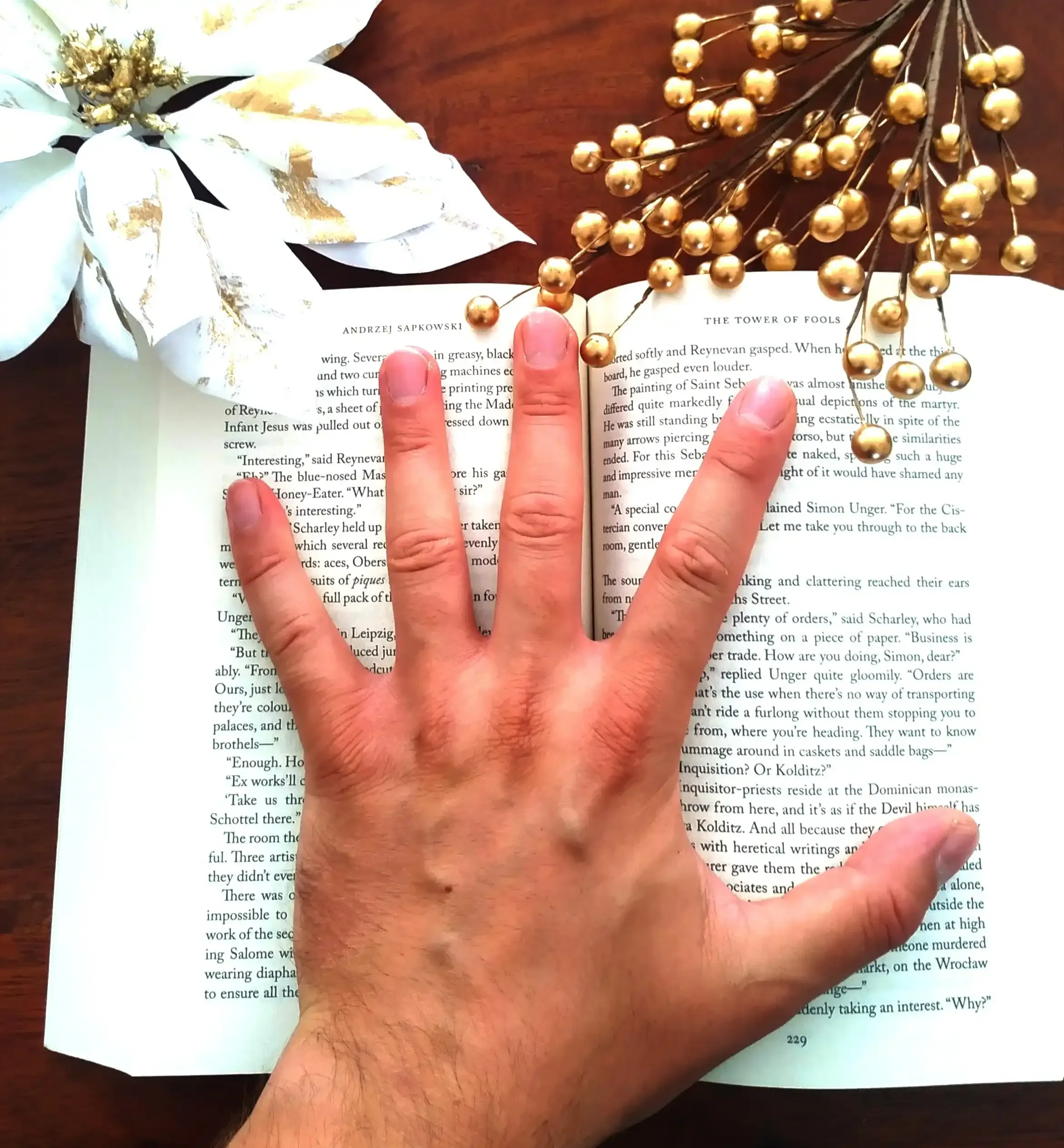
You know the feeling. The book is open, the words are there, but your brain just puts up a hand and says: 'Stop.'
We have all been there. You look at your nightstand, piled high with books you swore you were excited to read, and you feel… nothing. Or worse, you feel a vague sense of dread, like when you look at a sink full of dishes.
You pick a book up. You read a paragraph. Your eyes glaze over. You realize you’ve read the same sentence four times and absorbed zero information. You check your phone.
Congratulations, you have entered the Reading Slump.
For a long time, I thought a slump meant I was just being lazy. But after navigating dozens of them (and watching Stani battle her own), I’ve realized it’s usually a sign of burnout. It is your brain putting up a "Closed for Maintenance" sign.
Whether you are recovering from an intense 10-book fantasy epic or suffering from "School Trauma," here is how to trick your brain into falling in love with reading again—even if you are too stubborn to quit.
At a Glance: The Slump-Buster Cheat Sheet
If you don't have the energy to read the whole post (I get it, you're in a slump), here is the quick version:
Diagnose the Cause: Is it burnout, boredom, or just the wrong book?
The "Palate Cleanser": Read something short, trashy, and fun.
Change the Medium: Switch to audiobooks or e-readers.
Re-Read a Favorite: Return to a "comfort book" (XP farming for your brain).
Kill the Challenge: Delete your Goodreads Goal.
The "Hate-Read" Strategy: (For those of us who refuse to DNF).
What is a Reading Slump? (And Why It Happens)
Before we fix the problem, we have to figure out what broke your reading flow. In the His & Hers household, we have identified three main culprits (or "Villains," if we’re keeping with the theme).
The "School Trauma" Effect (The Stani Special)
This is my wife’s nemesis. For years, Stani didn't pick up a single book because school had conditioned her to view reading as "homework." When you are forced to analyze every curtain color in The Great Gatsby for a grade, reading stops being a portal to another world and starts feeling like a chore. If you feel a physical knot of anxiety when you look at a thick novel, you might be suffering from academic burnout. Your brain thinks you’re about to be tested.
The "Goodreads Challenge" Trap
A few years ago, I decided to do the "52 Books in 52 Weeks" challenge. It sounded epic. I was going to be a Reading God. I started strong, tearing through books like a gamer speed-running a level. But by May, life got in the way. Work got busy, the kids got sick, and I fell behind schedule.
Suddenly, reading wasn't about the story; it was about the math. I found myself choosing the shortest books possible just to pad my stats. I wasn't enjoying the journey; I was just grinding for the achievement. When I inevitably failed the challenge, I was so exhausted that I didn't read for months. Lesson learned: Gamifying reading is fun, until it turns your hobby into a second job.
The "Series Hangover"
I once read 15 volumes of a dense, complex fantasy series back-to-back. That’s right, I’m talking about The Wheel of Time. I was obsessed. But the moment I finished the final page, my brain simply shut down. I tried to pick up the next big series immediately, and I hit a wall. I had "emotional indigestion." I needed a break, not another 1,000-page doorstopper full of new names and magic systems to memorize.
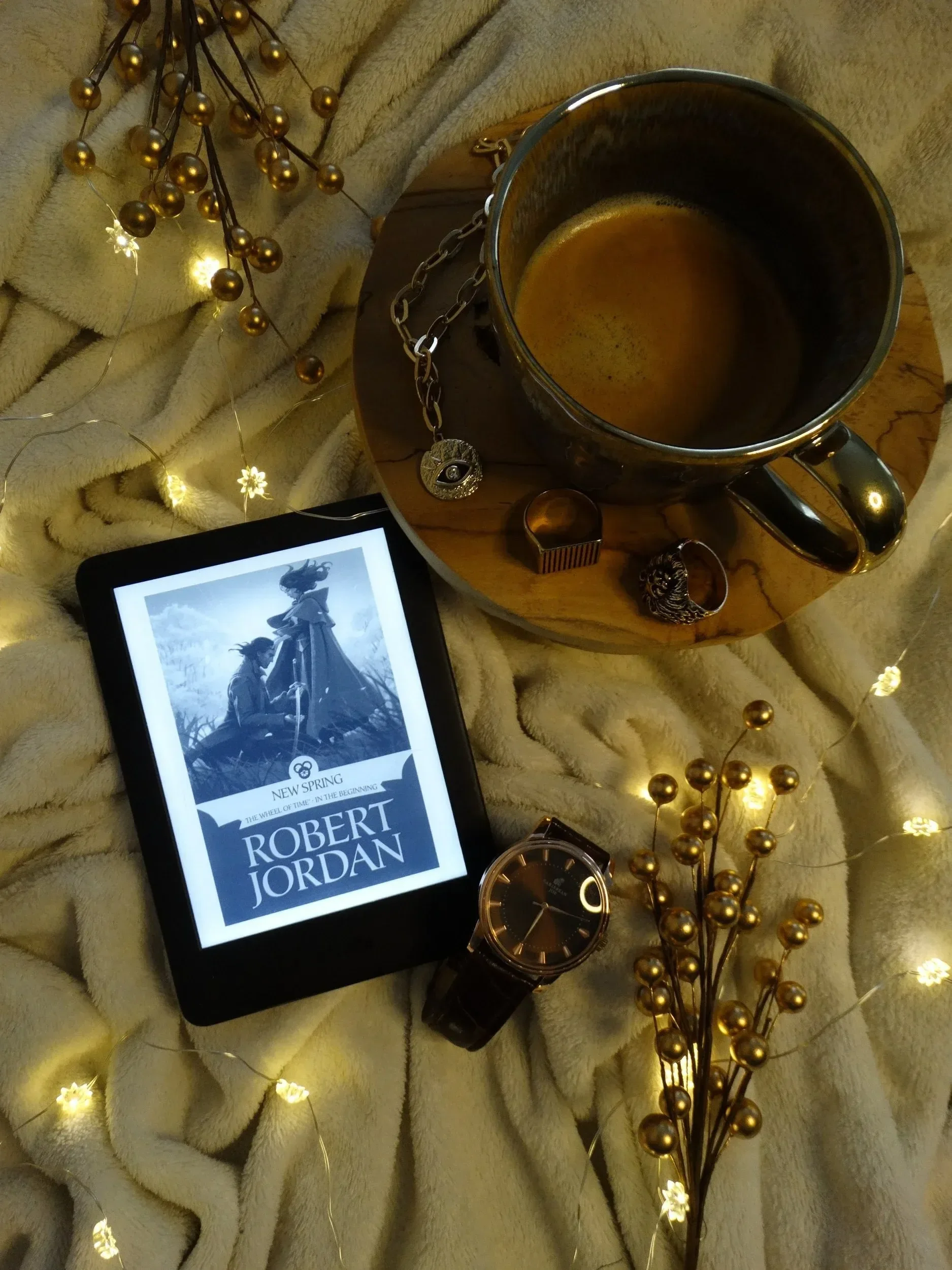
After finishing The Wheel of Time on my Kindle, the last thing I wanted to do was jump into another heavy series.
How to Fix It: 5 Strategies That Actually Work
Strategy #1: The Palate Cleanser
If you eat a rich, heavy steak every day for a month, you will eventually get sick of steak. The same applies to genres. If you are burnt out on heavy Epic Fantasy world-building (where you need a wiki just to remember the characters' names), do not pick up another Fantasy book. Your brain is tired of doing heavy lifting.
You need a "Palate Cleanser": a book that is effectively junk food.
Pivot to Mystery: Stani broke her massive slump not with a classic, but with The Inheritance Games. It’s fast-paced, full of puzzles, and demands to be binged.
Pivot to Humor: Grab something that doesn't take itself seriously, like Dungeon Crawler Carl.
Pivot to Non-Fiction: Sometimes, reading a biography or a history book resets your brain because it uses a different set of cognitive muscles.
Strategy #2: The "Stubborn Reader" Approach (To DNF or Not to DNF?)
The most common advice you will hear is: "Life is too short! If you don't like a book, DNF (Did Not Finish) it!" Rationally, this is excellent advice. Personally? I hate it.
I am a stubborn reader. To me, DNFing a book feels like letting the book win. It feels like rage-quitting a video game because the boss is too hard. I have an irrational need to see the credits roll, even if I hated every second of the gameplay.
If you are like me, here is the alternative to DNFing: Don't quit. Pause. Put the difficult book on a "Time Out" shelf. Tell yourself, "I am not quitting, I am just doing a side quest." Then, go read three other easy books. Often, when you come back to the difficult book later, you’ll find the patience to finish it. And if you still hate it? Well, at least you can write a really scathing review on Goodreads. That’s cathartic in its own way.
Strategy #3: Change the Medium (The Audio Hack)
Sometimes, the problem isn't the story; it's the physical act of reading. If you work in front of a computer all day (like I do), your eyes are tired. The last thing they want to do is focus on tiny text on a page.
Enter the Audiobook. Listening to a book allows you to consume the story while doing the dishes, driving, or walking the dog. It bypasses the "tired eyes" problem entirely.
Pro Tip: Increase the speed to 1.25x. It keeps the narrator moving at a conversational pace and stops your mind from wandering.
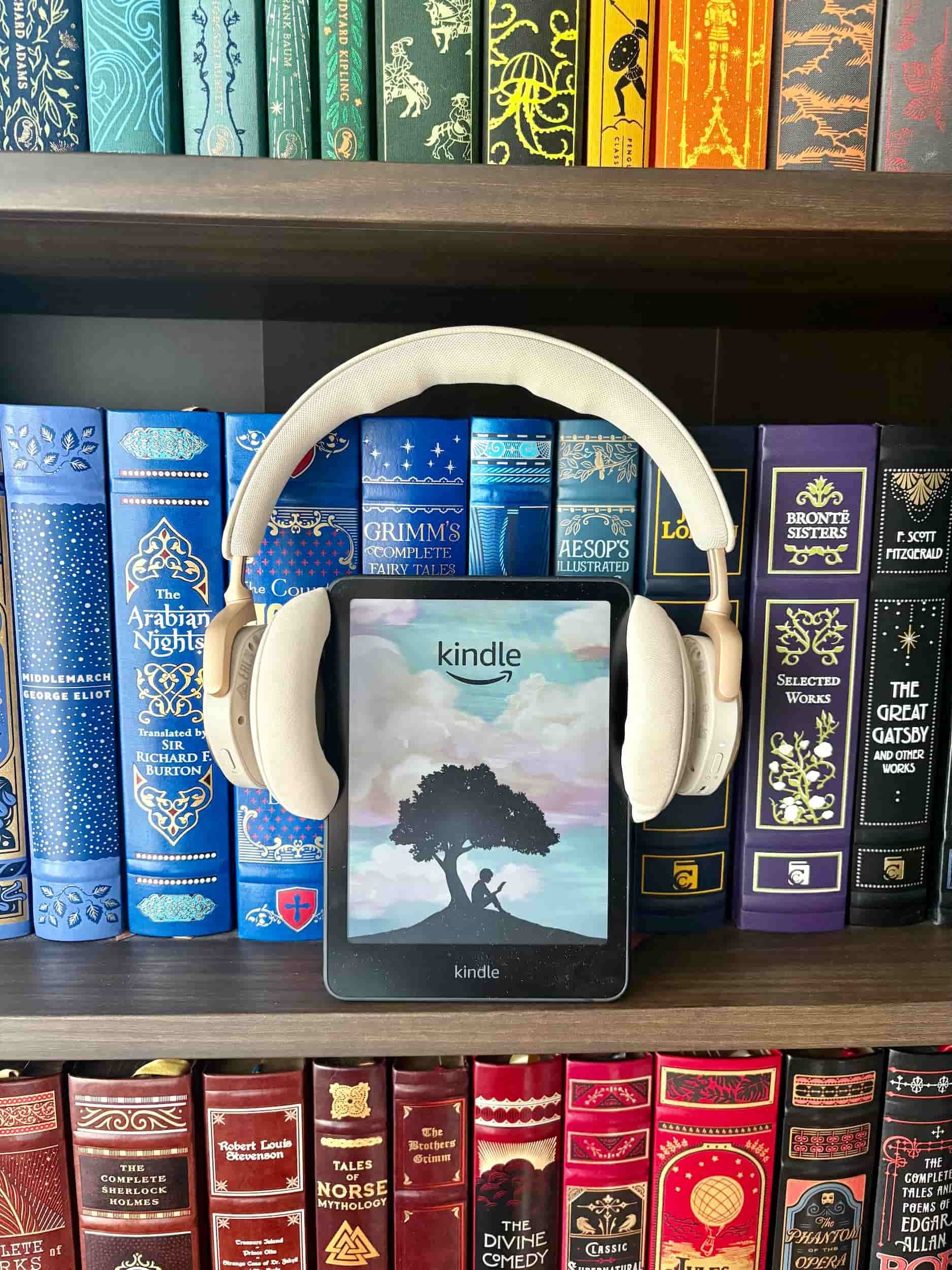
When my eyes are too tired for paper, audiobooks keep the streak alive.
Strategy #4: Re-Read a "Comfort Book"
When you are sick with the flu, you don't try a new experimental fusion restaurant. You eat chicken soup. You go back to what feels safe. The same applies to reading.
When I am in a massive slump, I don't try to read the new bestseller everyone is talking about. I retreat to the Discworld or The Hobbit. I grab Guards! Guards! or Mort. I already know the plot. I know I love Sam Vimes. I know the jokes will land. Re-reading a favorite book is like visiting an old friend. It reminds your brain that reading is fun, releasing that dopamine hit without the risk of disappointment.
Strategy #5: The "Digital Detox" (The Hard Truth)
Sometimes, a reading slump is actually just a TikTok Addiction in disguise. It is incredibly hard to focus on a slow-burn novel when your brain has been rewired for 15-second dopamine hits. If you find yourself reaching for your phone every time the book gets slightly slow, you aren't in a reading slump; you’re in a scrolling loop.
The Fix: Leave your phone in the other room. Set a timer for 20 minutes. Just 20. Tell yourself you only have to read until the timer goes off. Usually, once you break that initial barrier of distraction, you’ll find yourself reading for an hour.
Final Thoughts: It’s Okay to AFK
If none of this works? Stop reading. Seriously. Put the books away. Play video games. Binge a TV show. Go for a hike.
Reading is a hobby, not a job. You don't lose your "Gamer Card" if you take a break, and you don't lose your "Reader Card" if you take a month off. The books will still be there on your shelf, waiting for you to respawn when ready.
Frequently Asked Questions About Reader Burnout
What exactly is a reading slump?
A reading slump is a specific type of burnout where a reader wants to read but finds themselves unable to focus on or enjoy a book. It is often characterized by picking up a book, reading the same sentence multiple times, and feeling a sense of dread or boredom that isn't normal for you.
How long does a reading slump last?
It varies wildly. A "Series Hangover" might last a few days, while "School Trauma" (academic burnout) can stop you from reading for months or even years. The important thing to remember is that it is temporary. The less you stress about it, the faster it usually passes.
Do audiobooks count as reading?
Yes. Absolutely. Listening to an audiobook engages the same parts of the brain used for narrative comprehension. If your eyes are tired or you can't sit still, audiobooks are the most effective tool for maintaining your reading habit without the physical strain.
Should I force myself to read to break the slump?
No. Forcing yourself to read when you are burnt out is the quickest way to turn a temporary slump into a permanent hatred of reading. If your brain is putting up a "Closed for Maintenance" sign, respect it. Switch to a different hobby (gaming, movies, hiking) for a week and come back when you actually miss it.
Dungeon Crawler Carl book 6, The Eye of the Bedlam Bride, reviewed: what happens, why the series keeps getting better, and whether it's worth reading. Honest fan take.