
Dungeon Crawler Carl Book 5: Everything You Need to Know About The Butcher's Masquerade
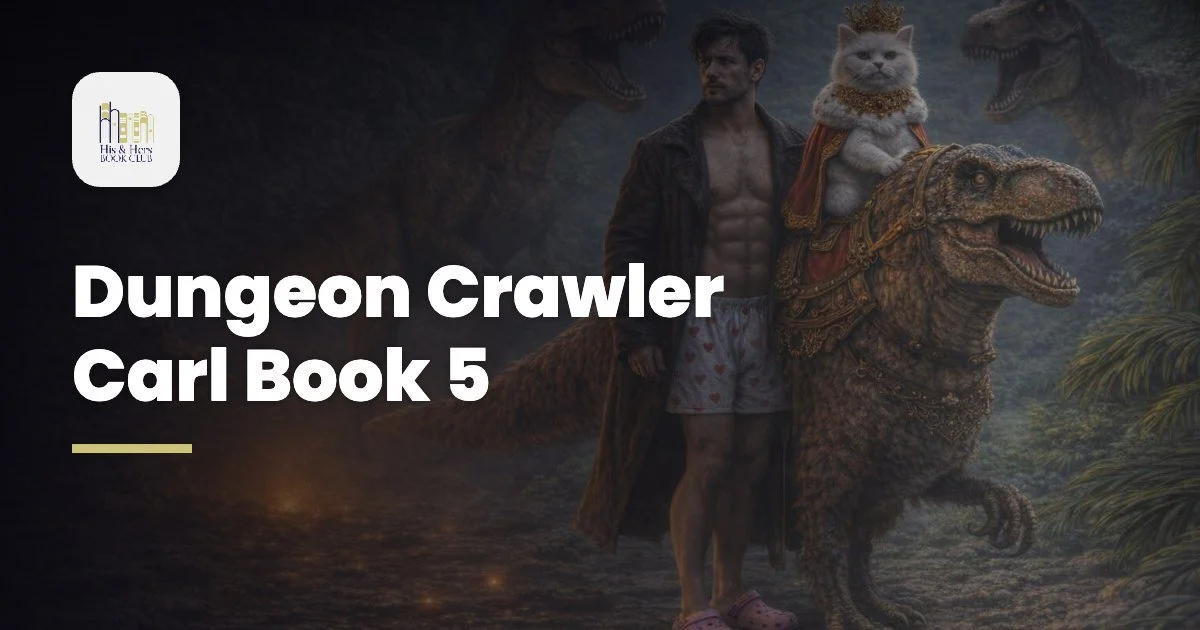
Dungeon Crawler Carl Book 5: Still Gloriously Unhinged After All This Time
If you have made it this far into Matt Dinniman's Dungeon Crawler Carl series, you already know what you signed up for. Apocalyptic chaos, a deeply unimpressed tabby cat, and a man named Carl who somehow keeps not dying. Book 5 is titled The Butcher's Masquerade, and it does not slow down for even a single chapter.
That is not a complaint. That is a recommendation.
Where We Are in the Story (No Major Spoilers)
By book five, Carl and Princess Donut have survived floors that would have broken lesser crawlers entirely. If you want the full backstory before diving in, our overview of the Dungeon Crawler Carl series covers everything from book one onward. The series has built up an enormous cast of NPCs, fellow crawlers, and a gallery of alien TV producers who treat the dungeon like a reality show ratings machine. What makes this entry feel distinct is how Dinniman starts paying off long-running threads while simultaneously dropping new complications that make you furious in the best possible way.
The dungeon keeps evolving. The politics between the sponsoring alien species get nastier. And Princess Donut remains, without question, the most terrifying character in the entire series. Do not let the cat thing fool you.
Book 5 takes place on a new floor with its own ecosystem, its own ruleset, and its own particular brand of horror disguised as absurdist comedy. Dinniman has always been brilliant at writing situations that are simultaneously laugh-out-loud funny and genuinely tense, and that balance is at its sharpest here.
What Actually Happens: A Plot Summary (Vague Enough to Be Safe)
The Butcher's Masquerade drops Carl and Donut onto a floor built around a city under siege, wrapped in political intrigue and faction warfare. The "masquerade" in the title is not just metaphorical: there are layers of disguise, deception, and identity buried throughout this floor's design, and the dungeon's architects have built something that is genuinely unsettling beneath its showbiz exterior.
Carl spends much of the book trying to play multiple factions against each other while keeping Donut from inadvertently starting a war. He is not entirely successful on either front. There are new allies introduced here who I found myself caring about far more quickly than felt reasonable, which is exactly the Dinniman trap and I fell into it completely.
The alien audience storyline gets a serious push forward. Without spoiling what happens, I will say the relationship between what goes on inside the dungeon and what is being broadcast to the wider galaxy becomes a much more active part of the plot rather than background colour. That shift in how Dinniman uses the meta-layer of the series is, for my money, the most exciting structural development since book two.
There are also moments in this book that are genuinely bleak. Not grimdark wallowing, just honest consequences. Dinniman earns every one of them.
My overall reaction by the final chapter: wide-eyed, slightly furious, and immediately wanting the next one. Standard series behaviour at this point, honestly.
What Makes This Entry Stand Out
The Dungeon Crawler Carl series sits in the LitRPG and progression fantasy space, which means there are stats, levels, skill systems, and loot. If you have never encountered LitRPG before: it is fantasy fiction that borrows the mechanics of role-playing games, giving characters experience points, inventory screens, and numerical abilities. Dinniman uses these mechanics with more wit and creativity than almost anyone else writing in the genre right now.
The Butcher's Masquerade is where the series really starts to show its ambition. The world-building that felt like background detail in books one and two is now load-bearing structure. The alien audience watching the crawl, the corporate sponsors, the in-world streaming commentary, all of it feeds into the plot in ways that feel earned rather than convenient.
There is also a real emotional gut-punch or two tucked in here. Dinniman has a habit of making you care absurdly deeply about characters who are introduced casually, and then doing something with them that you did not see coming. Book 5 continues that tradition with full commitment.
The Humour Holds Up
One thing I genuinely worried about heading into book five was whether the comedy would start to feel like a formula. It does not. The jokes are still coming from character and situation rather than from a template, which is the only kind of funny that survives a long series. If you want a benchmark for how rare that is, look at how long Terry Pratchett's Discworld kept its comic energy across dozens of books; Dinniman is working in that same tradition of comedy that never lets the laughs become mechanical. Carl's voice remains one of the most distinctive first-person narrators in genre fiction right now: weary, self-aware, occasionally furious, and never quite as genre-savvy as he thinks he is.
The Action Sequences
Dinniman writes combat in a way that manages to be both mechanically specific (here are the stats, here is the cooldown, here is what the skill actually does) and viscerally exciting. That is harder than it sounds. A lot of LitRPG fiction gets bogged down in the numbers at the expense of momentum. The Butcher's Masquerade has some of the best set-pieces in the series so far, and given that the earlier books included some genuinely wild action, that is saying something.
Should You Start the Series Here?
Absolutely not. Do not do that to yourself.
Start with book one. The series rewards readers who have been paying attention since the first floor, and book five in particular calls back to details and relationships that were seeded much earlier. Jumping in at book five would be like watching the fifth season of a serialised TV drama with no context and expecting to understand what anyone is emotionally invested in.
The good news is that book one is an excellent starting point precisely because it does a superb job of setting up the tone and the rules quickly. If you enjoy it, you will almost certainly read all five without stopping.
Who Should Read Dungeon Crawler Carl Book 5
Read this if: You are already in the series and wondering whether book five maintains the quality of the earlier entries. It does, arguably exceeding them. The series has also become one of the fantasy books that have blown up on BookTok, so if you have been seeing it everywhere and wondering whether the hype holds up, the short answer is yes. You are the right reader if you enjoy science fiction that wears its absurdism proudly, if you like comedy that comes from character rather than jokes, and if you have a high tolerance for Dinniman making you feel things about a fictional cat.
Maybe skip it if: LitRPG as a genre has never appealed to you and the stat-screen elements actively break your immersion. The series is brilliant at what it does, but what it does is specific, and readers who dislike the genre's conventions will hit a wall. The comedy also has a dark edge throughout; this is not cozy fantasy.
A Note on the Audio Edition
A large portion of the Dungeon Crawler Carl fanbase discovered the series through the audiobooks narrated by Jeff Hays. He brings an extraordinary amount of personality to the cast of characters, and Princess Donut in particular becomes something else entirely with a full vocal performance behind her. If you have been reading the ebooks, consider switching to audio for at least part of the series. It genuinely transforms the experience. You can also gift the audiobook to a friend who has been on the fence about starting the series; honestly, handing someone the audio version is the most reliable way to get them hooked.
That said, the written editions hold up completely on their own. Neither version is strictly superior; they are just different pleasures.
The Bigger Picture: Where Does the Series Go From Here?
By the end of The Butcher's Masquerade, the dungeon has revealed enough of its deeper architecture that you start to understand what Dinniman has been building toward. The series is not an endless treadmill of floors; there is a shape to it, and book five is where that shape starts coming into focus. Readers who love the way the Red Rising series rewards patience with a long-burn payoff will find something very similar happening here. It makes you want the next book immediately, which is either a compliment or an inconvenience depending on your patience levels.
For what it is worth, I have very little patience and I found the wait genuinely difficult. That is probably the most honest endorsement I can give.
If you are casting around for what to read after this one, our list of the best fantasy series worth committing to is a good place to start; there are options there for readers who want the same kind of addictive serialised momentum that Dinniman delivers so well.
If you enjoy reading about books like this across every genre, from grimdark fantasy to literary fiction and beyond, Stani and I from His & Hers Book Club are constantly posting new reviews and reading guides, and they almost never agree on what to read next, which makes the newsletter considerably more entertaining than you might expect. You can subscribe for free at hisandhersbookclub.com, and follow along on Pinterest and Instagram at @hisandhersbookclub for even more bookish chaos.
Frequently Asked Questions
Is Dungeon Crawler Carl book 5 a good entry point for new readers?
It is not. The series is heavily serialised and book five rewards long-running knowledge of the characters, the world's rules, and ongoing plot threads. Start with book one and work forward; the payoffs in book five are much more satisfying that way.
How long is Dungeon Crawler Carl book 5?
Like the rest of the series, it is a long book. Dinniman writes at length and the page count reflects that. For audio listeners, expect a substantial commitment of hours; for print readers, it is the kind of book you settle in with rather than dash through. The length never feels padded because the pacing moves fast, but go in knowing it is a big read.
Does the LitRPG element get overwhelming in book 5?
The stat and skill systems are more developed by book five than in the earlier entries, because Carl and Donut have had more time to build out their abilities. Dinniman is generally good at integrating these elements into the story rather than stopping the plot for inventory management, but readers who find LitRPG mechanics intrusive in general will likely feel that more here than in the opening books.


Dungeon Crawler Carl book 6, The Eye of the Bedlam Bride, reviewed: what happens, why the series keeps getting better, and whether it's worth reading. Honest fan take.