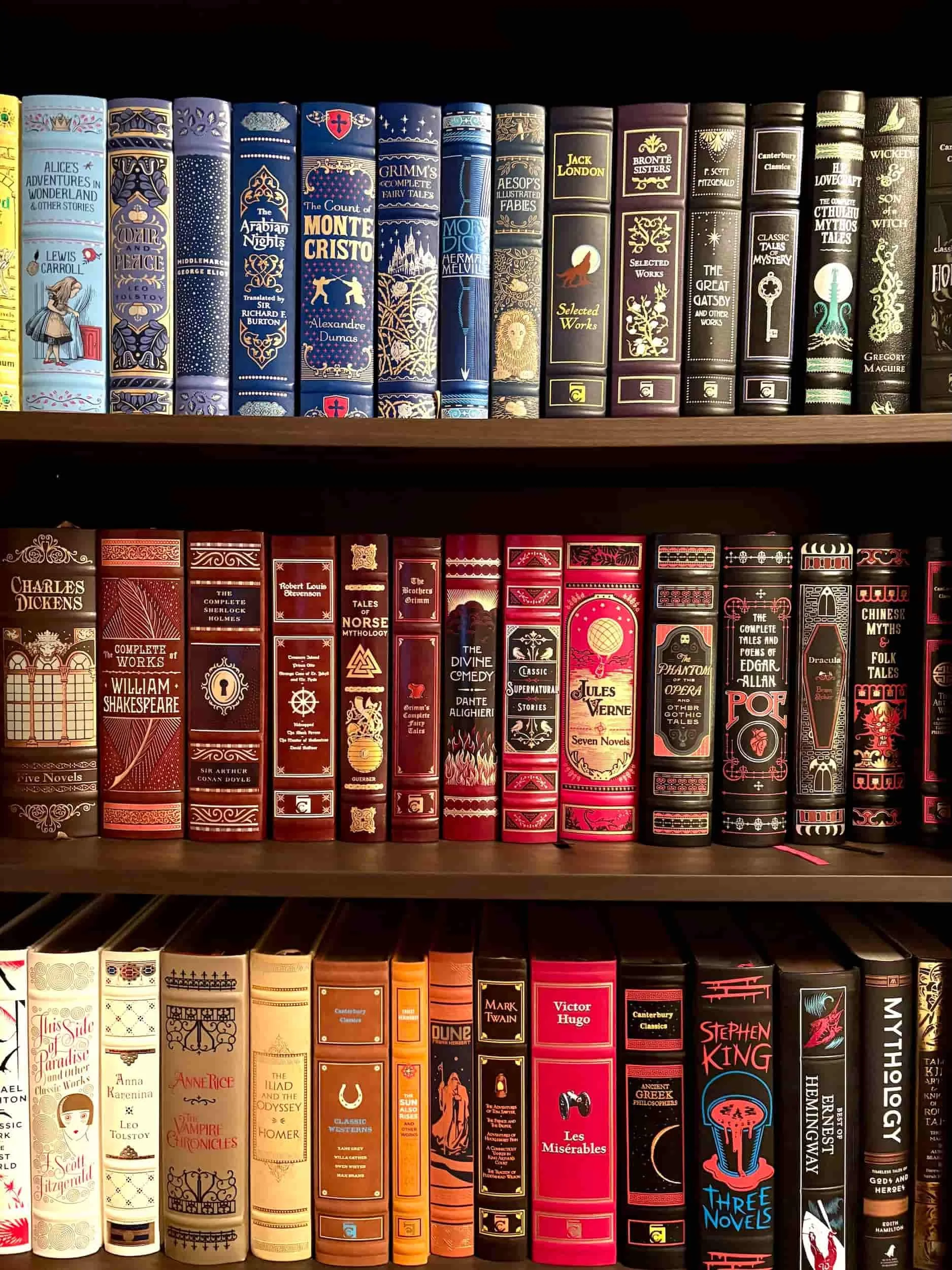
Conservators say these should be stored flat. I say life is too short to hide beautiful spines.
Let me start this guide with a confession: Stani and I are rule-breakers.
If you ask a professional archivist or a museum conservator how to store massive, 1,000-page leatherbound omnibuses, they will tell you they must be stored lying flat on their backs. If you stand them upright, gravity will eventually pull the heavy text block away from the spine, ruining the binding.
And they are absolutely right.
But look at the photo above. Every single one of our heavy Barnes & Noble and Canterbury classic horror books is standing upright. Why? Because we didn't buy beautiful books to stack them like pancakes. We want to see the spines. We accept the risk because, to us, a library is meant to be enjoyed, not locked in a museum vault.
That being said, we are incredibly protective of our collection. Special editions are expensive, and paperbacks are fragile. If you want your library to last long enough to pass down to your kids, you need to know the basics of book care.
At a Glance: 8 Essential Book Care Tips
Block Direct Sunlight: UV rays cause faded covers and yellowed pages.
Control Humidity: Leave a gap behind your books on the shelf to prevent mold.
Dust Regularly: Use a dry microfiber cloth or soft brush to sweep dust away from the pages.
"Break In" New Spines: Gently stretch the glue of new hardcovers to prevent cracking.
Use Book Sleeves: Never put a naked paperback into a backpack or tote bag.
Shelve Upright Properly: Keep books perfectly vertical; leaning permanently warps the spine.
Protect the Headcap: Never pull a book off the shelf by hooking your finger on the top edge of the spine.
Avoid Household Tape: Only use acid-free, archival tape for repairs to prevent acidic decay.
Here is our realistic, everyday guide to protecting your books, cleaning them safely, and knowing when it’s okay to break the rules.
1. The Silent Killer: Direct Sunlight
If you take nothing else away from this article, remember this: UV light destroys books.
Have you ever picked up an old paperback and noticed the pages are a dark, brittle yellow? Or that a vibrant red spine has faded to a sad, washed-out pink? That is sun damage. The UV rays break down the lignin in the paper—a process called "foxing"—and bleach the ink on the covers.
The Ideal Rule: Keep books in a windowless room with climate control.
The Realistic Fix: Most of us don't live in underground bunkers. Just make sure your bookshelves are not in the direct path of a window that gets blazing afternoon sun. If they are, draw the curtains during peak hours, or install a UV-filtering film on the window glass.
2. The Humidity Trap (And How to Handle Mold)
Books are made of paper, and paper is essentially a sponge. If your room is too humid, the pages will absorb the moisture. They will warp, become wavy, and in worst-case scenarios, start to grow mold.
Here is a trick we do that actually happens to be an officially recommended conservation rule: Do not push your books all the way to the back of the shelf. Leave an inch or two of "breathing room" between the books and the back wall. This allows air to circulate behind the books, preventing stagnant, damp pockets of air from settling in and breeding mildew.
This brings us to one of the most common questions collectors ask: How do you clean moldy books?
The Harsh Truth: You usually don't. True mold (which looks fuzzy, black, or green, and smells like a damp basement) is a death sentence for a book. If you wipe it with a wet rag, you just feed the spores.
The Realistic Fix: If you find a truly moldy book, isolate it immediately so it doesn't infect the rest of your shelf. You can try putting it in a sealed Ziploc bag and freezing it for a few days to kill the active spores, then gently brushing it off OUTDOORS with a soft brush. But honestly? Unless it's a rare first edition, throw it away.
Note: Do not confuse mold with foxing (small, rusty-brown spots on old pages). Foxing is just the natural aging of the paper reacting with oxygen. It's harmless.
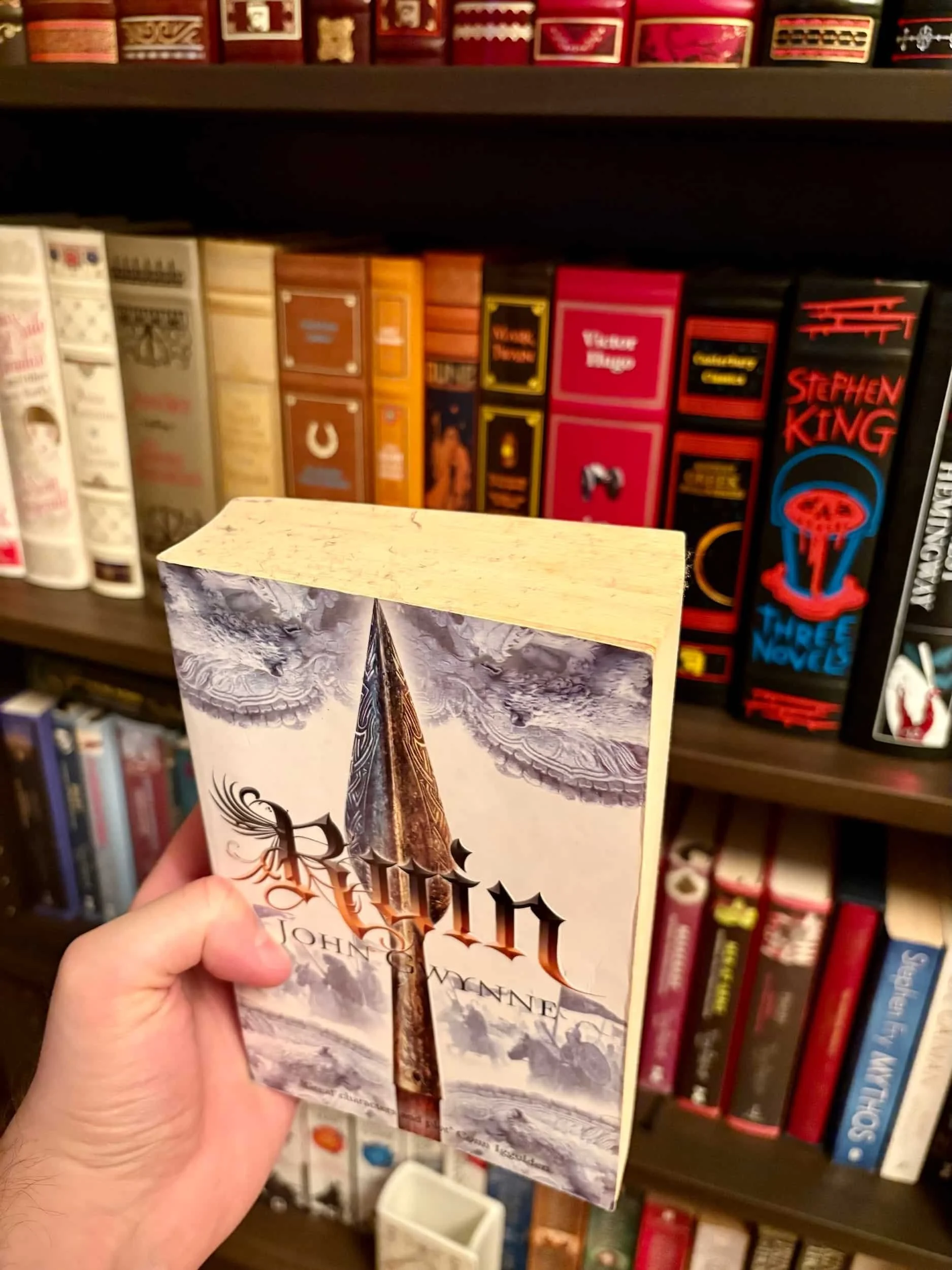
Direct sunlight and dust are the silent killers of book covers and page edges. Book name way too appropriate not to share.
3. Cleaning Books: Dust is the Enemy
Dust isn't just ugly; it acts as a magnet for moisture and book-eating insects. Because books sit upright, the "head" (the top edge of the pages) collects a thick layer of dust over time.
The Fix: Make dusting your shelves a monthly habit. But don't use a damp cloth—remember, water is the enemy. Use a dry microfiber cloth or a soft, clean paintbrush to gently sweep the dust away from the spine so it doesn't fall down into the binding.
4. How to "Break In" a New Book (Or Refuse To)
The internet will tell you that before you read a brand-new hardcover, you need to "break it in" so the glue stretches and doesn't snap down the middle.
Let me be brutally honest: I would rather stick my finger into a pencil sharpener than do this to my books.
It is a personal "ick" that annoys me to no end. I will literally read a pristine special edition only halfway open just to avoid creasing or cracking the spine. However, if you are not as neurotic as I am and actually want to properly prepare your book for reading, here is the correct way to do it:
The Correct Method: Place the spine of the book on a flat table. Let the front and back covers fall open. Then, take a few pages from the front and press them down gently against the cover. Take a few pages from the back and do the same. Alternate front and back, working your way to the middle of the book. This gently trains the glue and prevents that terrifying CRACK sound when you finally read it.
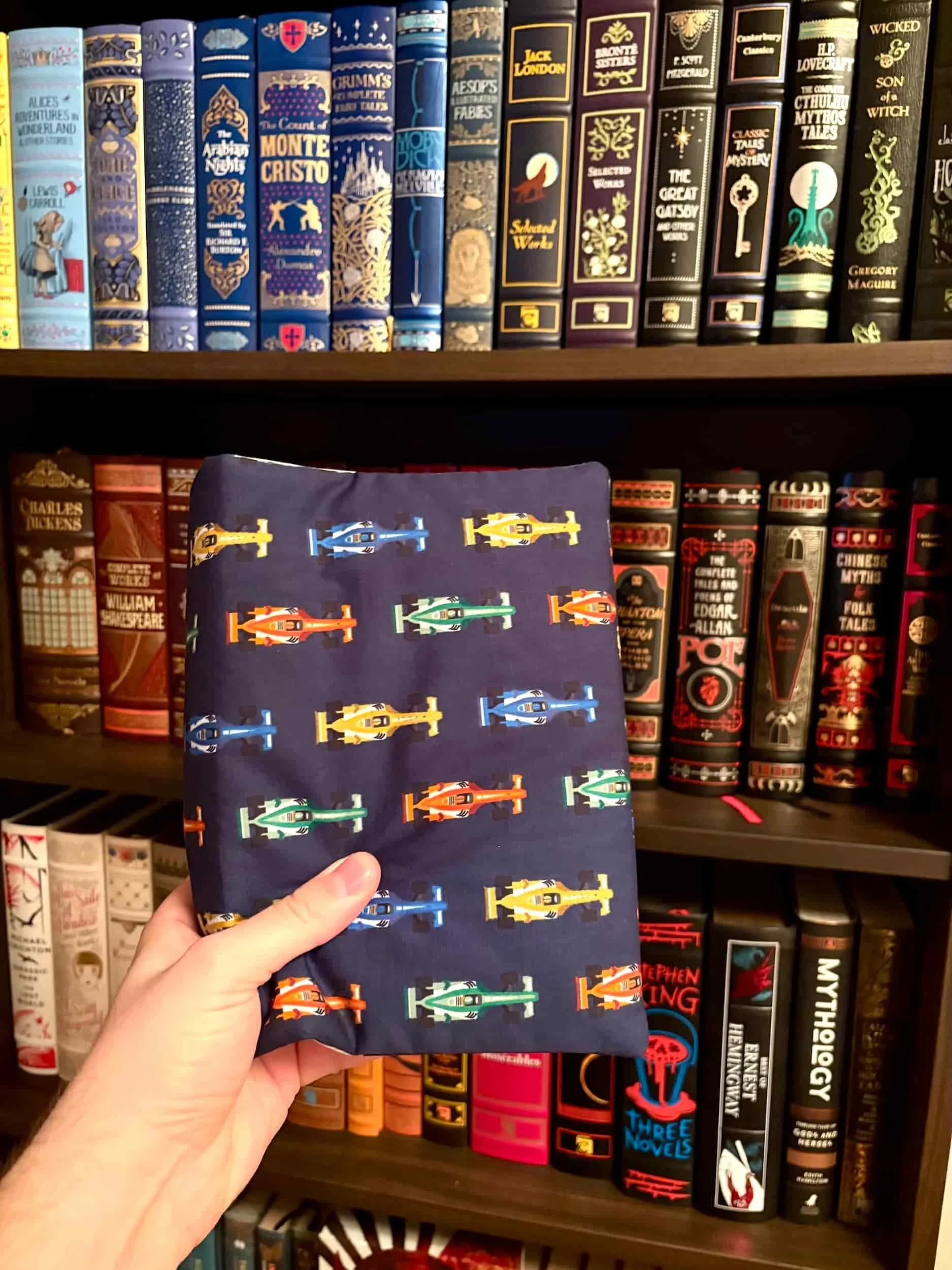
The quickest way to destroy a paperback is a naked trip in a tote bag.
5. The "Tote Bag Death Sentence" (Travel Care)
I carry a book with me everywhere. But tossing a naked paperback into a backpack alongside keys, a water bottle, and a laptop charger is a guaranteed way to bend the cover, crease the spine, and tear the pages.
The Fix: Invest in a Book Sleeve. They are inexpensive, padded fabric pouches that act like a sleeping bag for your novel. Since I started using one, my paperbacks survive my daily commute (which is where I do most of my speed reading and comprehension sprints) and the occasional spilled juice box from the kids, looking brand new.
6. How to Actually Shelve Books (The Upright Compromise)
Okay, let's talk about the upright shelving we confessed to earlier. If you are going to stand your heavy books up, you have to do it correctly to minimize the damage.
Don't let them lean. A leaning book warps the spine permanently. Use heavy bookends or pack the shelf tightly enough that the books support each other perfectly vertically.
Give them breathing room. Don't pack them so tightly that you have to pry them out with a crowbar. You should be able to slide a piece of paper between the books easily.
7. Taking a Book Off the Shelf (Stop Pulling the Top!)
This is the most common mistake people make. I used to do it constantly, but it is a rule we follow almost religiously now, ever since we learned the truth a couple of years ago.
When you want to take a book off a tight shelf, you naturally reach up, put your index finger on the top edge of the spine (the "headcap"), and pull it toward you.
Stop doing this. The headcap is the weakest part of the binding. Over time, pulling it will tear the spine right off the text block, leaving you with a flapped piece of useless cardboard.
The Fix: Reach over the top of the book, press your fingers flat against the back cover, and push the book forward. Or, simply push the two books next to it slightly backward, grab your book's spine firmly from the middle, and pull it out.
8. Book Repair: When to Walk Away
Inevitably, a page will tear or a spine will crack. The internet will tell you to grab standard transparent tape or superglue to fix a book spine. Do not do this. Standard tape turns yellow, brittle, and highly acidic over time, eating through the paper. Standard glue dries too hard and shatters.
The Realistic Fix: If a cheap, mass-market paperback splits in half, tape it up if you just want to finish the story. But if a special edition or a beloved hardcover rips? Do not use household tape. You need to buy acid-free, archival document tape (like Filmoplast). For a detached spine on a valuable book, don't try to DIY it—take it to a professional binder.
FAQ: Book Cleaning and Repair
How do you clean moldy books?
The harsh truth is that you usually don't. True mold (fuzzy, black/green, smells like a damp basement) is a death sentence. Isolate the book immediately so spores don't spread. You can freeze it in a sealed Ziploc to kill active spores, then gently brush it off outdoors, but unless it's a rare first edition, it is safest to throw it away.
Why are the pages of my books turning yellow?
This is typically caused by UV light (sun damage) breaking down the lignin in the paper, or a natural aging process called "foxing" where paper reacts with oxygen. It is harmless to you, but irreversible for the book.
What kind of tape is safe for book repair?
Never use standard transparent tape, masking tape, or duct tape—they are highly acidic and will eat through paper over time. Only use acid-free, archival document tape (such as Filmoplast) for torn pages or loose covers.
Should heavy books be stored flat or upright?
Strictly speaking, conservators advise storing heavy volumes flat on their backs to prevent gravity from pulling the text block away from the spine. However, if you prefer them upright, ensure they are perfectly vertical, tightly supported by bookends, and never leaning.
Final Thoughts
At the end of the day, books are meant to be read, touched, and experienced. A cracked spine on a favorite fantasy binge like the Dungeon Crawler Carl series is a sign of a story well-loved.
We do our best to protect our library from the sun, the dust, and the humidity, but we refuse to treat our home like a museum. Protect your investments, learn how to clean them safely, but don't forget to actually enjoy them.




Looking for a spoiler-aware Verity book summary? Here's the plot, the characters, that ending, and why this Colleen Hoover thriller gets under your skin.